 listicle
5 Ways to Choose Local Specialty Coffee Roasters
Table of Contents
- What Makes a Specialty Coffee Roaster Worth Your Time
- 1. Verify Roast Dates and Learn How to Identify Fresh Roasted Coffee Beans
- 2. Evaluate Specialty Coffee Roast Profiles Explained
- 3. Assess Bean Quality Through Single Origin and Blend Transparency
- 4. Research Sourcing Ethics and Direct Trade Practices
- 5. Choose Between Subscription and One-Time Purchase Models for Best Specialty Coffee Subscription for Home
- Investigating Roaster History and Small-Batch Commitment
- Conclusion
- Frequently Asked Questions
Last Updated: October 4, 2026
What Makes a Specialty Coffee Roaster Worth Your Time
Finding a truly exceptional specialty coffee roaster means knowing what separates the mediocre from the memorable. The difference isn't just about price or brand recognition, it's about roasting philosophy, sourcing transparency, and how fresh the beans actually are when they reach your kitchen.
Specialty coffee roasters are built on a foundation of intentionality. They care about bean quality, roast profiles, and the story behind every bag. But not all roasters operate with the same standards. Some prioritize volume over flavor clarity.
This guide covers five concrete ways to evaluate local specialty coffee roasters so you can make an informed choice.
1. Verify Roast Dates and Learn How to Identify Fresh Roasted Coffee Beans
The single most important metric for specialty coffee is freshness. A roast date tells you everything about whether the beans are at their peak or past their prime.
Reading the roast date on the bag
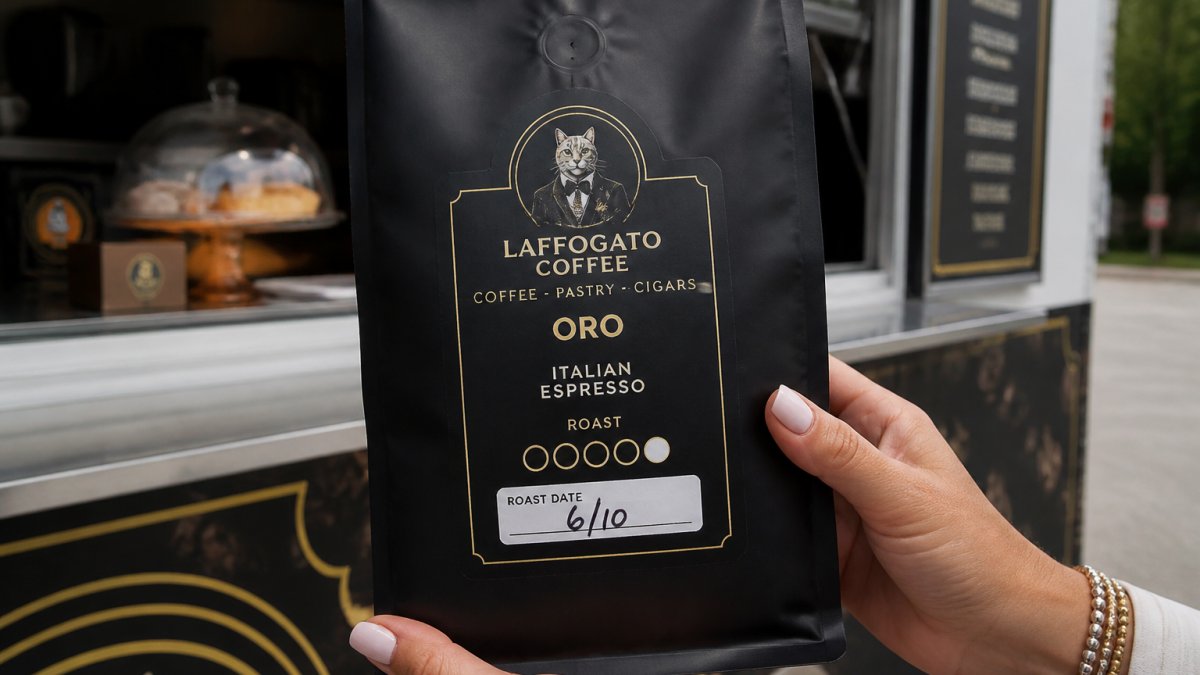
Look for a printed roast date on every bag you consider. It should be clearly visible, not hidden in fine print or buried on the back.
The date format varies. Some roasters use MM/DD, others use "Roasted on [Date]." A few use batch numbers that correspond to roast dates. Whatever the format, it should be easy to find and easy to understand.
The 15-day freshness window
Fresh roasted coffee beans hit their flavor peak between 5 and 30 days after roasting. Most specialty coffee professionals recommend brewing within this window, with the sweet spot landing around day 7 to day 21.
Why? Immediately after roasting, beans release CO2 gas. This degassing process is essential, it's why fresh coffee needs a few days to settle before brewing. But once that process completes, the beans begin losing flavor complexity.
When you order from a specialty roaster, check that the roast date is no more than two weeks old when it arrives at your door. If a roaster ships beans that are already 30 days old, they're not prioritizing your experience.
2. Evaluate Specialty Coffee Roast Profiles Explained
Roast level dramatically affects flavor. Understanding how a roaster approaches their roast profiles tells you whether they're chasing consistency or experimenting with extraction.
Light, medium, and dark roasts: flavor clarity and body
Light roasts preserve the bean's origin characteristics. You taste the terroir, the soil, altitude, and climate where the coffee grew. Light roasts have bright acidity and complex flavor notes.
Medium roasts balance origin flavor with roast character. They have moderate acidity and fuller body than light roasts. Medium roasts work well for drip coffee and espresso.
Dark roasts emphasize roast flavor over origin. The beans develop bold, low-acid profiles.
A specialty roaster should offer roasts across this spectrum. More importantly, they should explain their roasting philosophy. Do they roast light to highlight single-origin flavor?
Roasters with a clear philosophy produce better results than roasters chasing trends.
Matching roast profiles to your brew method
This is where roaster knowledge becomes practical. A specialty roaster should help you match beans to your equipment.
If you brew pour-over or use a Chemex, light and medium roasts showcase the brewing method. If you pull espresso shots, medium and dark roasts often perform better. If you use a Moka pot or AeroPress, medium roasts tend to shine.
The best roasters provide brewing recommendations right on the bag or on their website. They'll tell you which roasts work best with which methods. This guidance signals that they've actually tested their beans across different equipment, not just roasted them and hoped for the best.
3. Assess Bean Quality Through Single Origin and Blend Transparency
Transparency about what's in your bag separates serious roasters from casual ones.
Single origin beans and flavor distinctiveness
Single origin coffee comes from one specific farm, region, or country. It lets you taste the unique characteristics of that place, the flavor clarity that comes from knowing exactly where the beans grew.
A specialty roaster should list the farm or region for every single origin they sell. They should tell you the altitude, processing method, and varietal. They might include flavor notes based on cupping, the professional tasting process that coffee professionals use to evaluate beans.
When a roaster is vague about origin ("Ethiopian coffee" instead of "Yirgacheffe, Gedeo Zone, natural process"), they're either hiding something or they don't know their supply chain. Neither is acceptable in specialty coffee.
Understanding blend composition
Blends combine beans from different origins to create a specific flavor profile. A good blend is intentional, the roaster mixed these specific beans to achieve a particular result.
Transparency here means the roaster tells you what's in the blend. "A blend of Ethiopian and Kenyan coffees" is better than "premium blend." "70% natural-process Ethiopian Yirgacheffe with 30% washed-process Kenyan AA" is excellent.
Some roasters keep their blend recipes secret. That's their choice, but it makes it harder for you to understand what you're buying. If you care about knowing what's in your cup, choose roasters who share their blend composition.
4. Research Sourcing Ethics and Direct Trade Practices
How a roaster sources beans reveals their values and often affects the quality you receive.
What direct trade means and why it matters
Direct trade means the roaster buys beans directly from farmers or farmer cooperatives, cutting out middlemen. This arrangement gives farmers better prices and gives roasters traceability. You know exactly where your beans came from.
Direct trade also encourages long-term relationships. A roaster working directly with a farmer tends to invest in that relationship. They visit the farm, understand the farmer's challenges, and work together to improve quality year over year.
Not every roaster practices direct trade, and that's okay. But roasters who do tend to produce better beans and support better farming practices. If direct trade is important to you, look for roasters who highlight these relationships.
Checking for certifications and transparency
Fair Trade, Rainforest Alliance, and other certifications provide third-party verification of sourcing practices. They're not perfect, but they signal that someone is checking the roaster's claims.
More importantly, look for transparency in how the roaster talks about sourcing. Do they mention specific farmers or farms? Do they explain their sourcing philosophy? Do they publish information about where their beans come from?
Roasters that are serious about ethics make it easy to find this information. They put it on their website, on the bag, or in their marketing. If you have to dig or ask, they're not prioritizing transparency.
5. Choose Between Subscription and One-Time Purchase Models for Best Specialty Coffee Subscription for Home
How you buy matters as much as what you buy. Different purchase models serve different needs.
Subscription benefits: freshness and convenience
A specialty coffee subscription delivers fresh beans to your door on a regular schedule. You never run out, and the beans are always within that optimal freshness window. Subscriptions also tend to offer better pricing than one-time purchases because the roaster knows you're a committed customer.
Subscriptions work best if you have a consistent brewing routine and a favorite roaster. You commit to regular deliveries, and the roaster commits to freshness.
The downside? Subscriptions lock you in. If you want to try a different roaster or take a break from coffee, you have to manage the subscription. Some roasters make this easy. Others make you jump through hoops.
One-time purchases for experimentation
One-time purchases let you try different roasters without commitment. You can order a single bag from five different roasters and compare them side by side. This approach works well when you're still exploring and haven't found your perfect roaster yet.
One-time purchases also work if you're a lighter coffee drinker or if you like variety. You're not locked into one roaster's flavor profile.
The tradeoff? One-time purchases usually cost more per bag. You also have to remember to reorder, which means you might run out between shipments.
Investigating Roaster History and Small-Batch Commitment
Small-batch roasting is a marker of intentionality. Roasters who roast in small quantities can adjust their process for each batch, catching inconsistencies and optimizing flavor.
Look for roasters who've been operating for at least a few years. Longevity signals stability. They've survived the startup phase and built a customer base.
Check whether the roaster publishes information about their operation. Do they describe their equipment? Do they explain their roasting process?
Roasters who invest in transparency and education tend to care more about quality. They're not hiding anything.
When you're evaluating local specialty coffee roasters, remember that the best choice depends on your priorities. If freshness is paramount, prioritize roast dates.
Conclusion
Choosing a specialty coffee roaster is about matching your values and preferences to a roaster's practices and philosophy. The five criteria covered here, freshness, roast profiles, transparency, sourcing ethics, and purchase flexibility, give you a framework for evaluation.
As you explore local specialty coffee roasters, remember that consistency matters. A roaster that nails roast dates, publishes roast profiles, shares sourcing information, and stands behind their work is worth your loyalty.
At laffogatocoffee.com, we're preparing to launch our specialty coffee operation with a commitment to transparency and quality. We believe that specialty coffee roasters should make it easy for you to understand what you're buying, and we're building our operation around that principle.
Frequently Asked Questions
How can you tell if specialty coffee beans are fresh?
Check the roast date printed on the bag, beans are at peak freshness within 2-4 weeks of roasting. Look for bags that clearly display this information. Fresh beans should feel slightly oily to the touch (especially darker roasts) and have a strong aroma. Avoid beans with no roast date listed, as this indicates they may have been sitting in storage. Reputable specialty coffee roasters always prominently display roast dates because freshness directly affects flavor clarity and the extraction quality of your brew.
What is the difference between single origin and blend specialty coffees?
Single origin beans come from one specific farm or region, offering distinct flavor notes tied to that location's soil, altitude, and climate. Blends combine beans from multiple origins to create consistent flavor profiles or highlight complementary characteristics. Single origins showcase flavor clarity and unique tasting notes, acidity, body, and sweetness vary by origin. Blends are designed for balance and are often better for espresso or drip coffee where consistency matters. Choose single origins to explore specific regions and roast profiles; choose blends for daily drinking reliability.
What should I look for on a coffee bag label?
Look for the roast date, origin (country and farm if available), roast level (light, medium, dark), processing method, and tasting notes. Transparency about sourcing, whether direct trade or fair trade certified, indicates ethical practices. The bag should also list recommended brew methods and grind size. Avoid bags with vague language or missing roast dates. Specialty roasters who provide detailed information demonstrate commitment to quality and help you understand what you're brewing, making it easier to match the coffee to your equipment and preferences.
Why should I buy from local specialty coffee roasters instead of grocery store coffee?
Local specialty roasters roast in small batches, ensuring maximum freshness compared to mass-produced grocery store coffee that may have sat in warehouses for months. They source higher-quality beans directly from farmers, often using direct trade relationships that guarantee better pricing for growers and traceability. Specialty roasters provide detailed roasting philosophy and flavor profiles, helping you select beans matched to your brewing method. You also support local business and gain access to roasters who can answer questions about their beans and offer recommendations based on your taste preferences and equipment.