 ultimate-guide
Why Roast Date Matters for Coffee
Table of Contents
- What Is a Roast Date and Why It's Different From Best-By
- Understanding the Coffee Degassing Process
- Why Freshness Matters for Flavor Profile and Aromatics
- Peak Flavor Window for Coffee: The Ideal Brewing Timeline
- Selecting a Best Specialty Coffee Subscription for Home
- Signs Your Coffee Has Gone Stale and How to Store Beans
- How to Dial In Your Brew Based on Bean Age
- Frequently Asked Questions
Last Updated: September 25, 2026
What Is a Roast Date and Why It's Different From Best-By
The roast date tells you exactly when your coffee beans were roasted. It's not the same as the best-by date printed on most bags, and understanding the difference changes how you approach freshness.
A roast date is the specific day the beans were roasted. A best-by date is a manufacturer's estimate of when the coffee will start to decline in quality. Here's the problem: that best-by date is often conservative and doesn't account for how you store the beans or what brewing method you use. At laffogatocoffee.com, we believe roast date transparency matters.
The roast date is what actually determines freshness. Best-by dates are marketing dates. Many coffee companies print them 6-12 months after roasting to cover themselves legally. But the real story of your coffee starts the moment those beans leave the roaster. That's why roast date matters for coffee in ways a best-by date simply cannot capture.
Understanding the Coffee Degassing Process
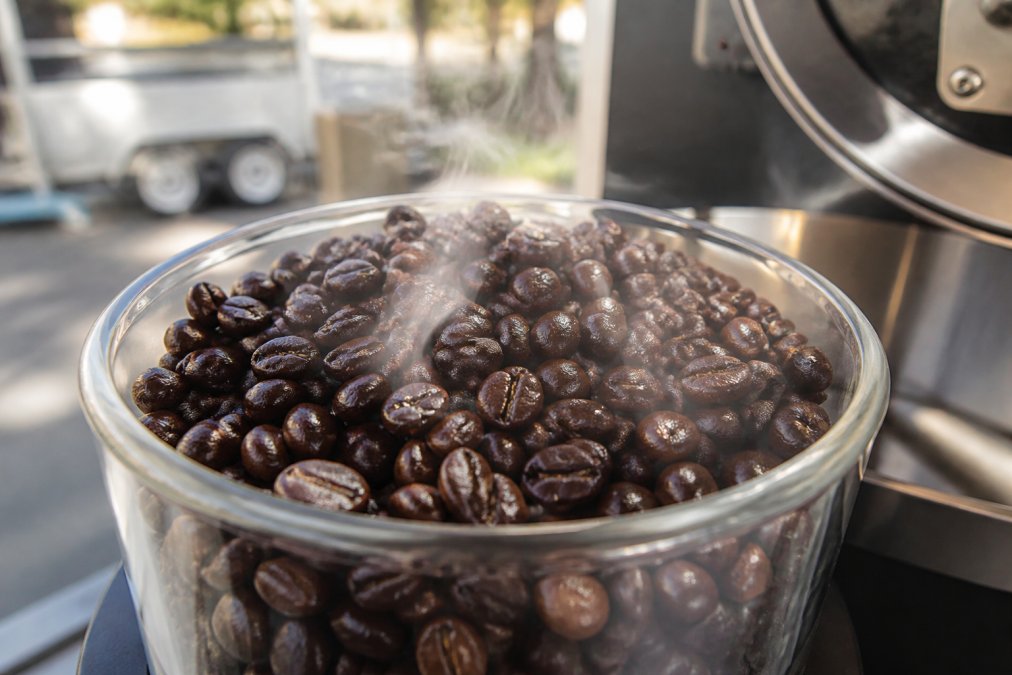
Degassing is what happens after roasting stops. The beans continue releasing carbon dioxide and volatile compounds for days and sometimes weeks. This process is critical because it directly affects how well your coffee extracts and how the aromatics develop.
During roasting, heat creates carbon dioxide inside the bean structure. When roasting ends, those gases need to escape. For the first 12-24 hours, degassing is most intense. The beans release massive amounts of CO2. This is why fresh beans can seem to "bloom" more dramatically when you pour hot water over them. The bloom is that visible expansion of grounds as trapped gases escape during brewing.
The degassing timeline varies based on roast profile. A lighter roast degasses more slowly than a dark roast because the bean structure is denser. A dark roast has more surface area where gas can escape, so it reaches peak degassing within 12-18 hours. A medium roast typically needs 24-36 hours. This is why roast date matters for coffee differently depending on how dark the beans were roasted.
Understanding degassing helps explain why very fresh beans sometimes underperform in certain brewing methods. Espresso machines struggle with beans that are too fresh because excess CO2 interferes with water contact and extraction. Drip brewers are more forgiving, but they still benefit from waiting a few days for the most volatile compounds to settle.
Why Freshness Matters for Flavor Profile and Aromatics
Coffee flavor comes from hundreds of volatile compounds. Freshness determines how many of those compounds are still present in the bean. Oxidation is your enemy here. Once the beans are exposed to oxygen, the complex aromatics start breaking down.
The flavor profile of fresh coffee is brighter, more complex, and more nuanced. You get higher acidity, more distinctive sensory notes, and aromatics that jump out of the cup. As beans age, oxidation flattens the flavor. Acidity softens. The sensory notes become muted. What was once a vibrant, multi-layered cup becomes one-dimensional.
This degradation accelerates after the peak flavor window closes. Most specialty coffee reaches its best flavor 5-14 days after roasting. After that window, the coffee doesn't go bad immediately, but it loses vibrancy. The aromatics fade. The flavor profile becomes less interesting. By 30 days, even well-stored beans have lost significant complexity.
Moisture content and oxygen exposure are the two factors that speed up flavor degradation. Beans stored in permeable bags lose aromatics faster than beans in sealed containers. Beans exposed to humidity absorb moisture, which accelerates oxidation. This is why roast date matters for coffee storage decisions. Knowing the roast date tells you how much time you have left in the peak flavor window.
Peak Flavor Window for Coffee: The Ideal Brewing Timeline
The ideal brewing window for most coffee is 5-14 days after roasting. This is when the beans have degassed enough to extract properly but haven't yet lost their complexity through oxidation.
Beans roasted yesterday are technically fresh, but they're often harder to brew well. Excess CO2 interferes with extraction. The coffee may taste slightly flat or one-dimensional because the most volatile compounds haven't stabilized yet. Waiting 3-5 days allows enough degassing while preserving the sensory notes.
By day 14, most beans have entered the acceptable zone but are beginning to decline. The flavor is still good, but you're losing complexity with each passing day. By day 30, the window has closed. The beans are stale. They're not dangerous or unpleasant, but they've lost what made them special.
How Roast Profile Affects Degassing Speed
A light roast takes longer to degas than a dark roast. This matters because it changes when you should brew.
Light roasts have denser bean structures. The CO2 is trapped deeper inside. It takes 36-48 hours for enough gas to escape for optimal extraction. Brewing a light roast at day 2 will often result in a sour, under-extracted cup. Wait until day 4 or 5, and the same beans will taste balanced.
Dark roasts degas faster because the roasting process has opened up the bean structure more. You can brew a dark roast at day 1 or 2 with decent results. The beans have released enough CO2 that extraction happens smoothly. This is why roast date matters for coffee differently depending on what roast profile you're buying.
Espresso vs. Drip: Different Timing, Same Principle
Espresso machines are sensitive to bean age in ways that drip brewers are not. Espresso forces hot water through grounds under pressure. Excess CO2 creates channels in the puck, causing water to rush through without proper contact. The result is sour, under-extracted shots.
Most espresso roasters recommend waiting 7-14 days after roasting before pulling shots. This gives enough time for the most volatile CO2 to escape while preserving the flavor compounds. Beans that are too fresh will choke the machine. Beans that are too old will pull thin, flat shots.
Drip coffee is more forgiving. The slower extraction rate means some CO2 actually helps create the bloom. You can brew drip coffee successfully from day 3 onward. The window is wider because the brewing method is gentler.
Selecting a Best Specialty Coffee Subscription for Home
Choosing a specialty coffee subscription means prioritizing roast date transparency. The best providers tell you exactly when the beans were roasted. They ship quickly after roasting to ensure you get the beans in the peak flavor window.
Look for subscriptions that rotate roast dates regularly. If every bag has the same roast date, the beans are sitting in inventory. Fresh coffee rotates through inventory quickly. A subscription that ships beans roasted within the past week is protecting your experience.
Specialty roasters like laffogatocoffee.com understand that roast date matters for coffee quality. We're planning to offer subscription options that deliver beans. The goal is getting coffee to your home while it's still in the ideal brewing window.
Consider how the subscription handles storage.
Signs Your Coffee Has Gone Stale and How to Store Beans
Stale coffee has a flat, muted flavor. The aromatics are gone. The acidity is dull. When you open the bag, you don't get that initial burst of smell. That's the first sign that oxidation has progressed too far.
How to Dial In Your Brew Based on Bean Age
| Bean Age | Optimal Brewing Method | Grind Size | Key Adjustment |
|---|---|---|---|
| Days 1-3 | Drip (avoid espresso) | Coarser | Lower temperature if possible |
| Days 5-14 | Any method | Standard | No adjustment needed |
| Days 15-30 | Drip preferred | Finer | Increase temperature slightly |
| Days 30+ | Use quickly | Finest | Extended contact time |
According to the Specialty Coffee Association's research on coffee freshness, peak flavor extraction occurs within the first two weeks after roasting, with optimal results between days 5-14. Research from coffee chemistry studies on degassing timelines shows that dark roasts release 80% of their CO2 within 24 hours, while light roasts require 36-48 hours for comparable degassing. The National Coffee Association's guide to storage and freshness recommends storing beans in airtight containers away from direct light and heat to preserve volatile compounds and prevent oxidation.
Frequently Asked Questions
How long after the roast date should I drink coffee?
Coffee reaches peak flavor 3-10 days after the roast date, depending on roast profile and brew method. Light roasts often taste best between days 7-14, while darker roasts can shine earlier, around day 3-5. Beans remain drinkable for up to 4 weeks, but flavor complexity and aromatics fade significantly after the peak window. For the best experience, brew within 2-3 weeks of the roast date.
Why is roast date more important than a best-by date?
Roast date tells you exactly when the beans were roasted, allowing you to brew them at their peak flavor window. Best-by dates are often vague or set far in the future and don't account for the degassing process or oxidation timeline. A best-by date of 6 months away could mean beans that are already 2 months old and past their prime. Roast date gives you control over freshness and flavor quality.
How does the coffee degassing process affect flavor?
Degassing releases carbon dioxide and volatile compounds that carry aromatics and sensory notes. In the first 24-48 hours after roasting, excessive CO2 can interfere with water extraction during brewing, leading to uneven flavor and poor crema (in espresso). After 3-5 days, degassing slows and extraction improves, allowing you to taste the full flavor profile. Once degassing completes (around 2-3 weeks), oxidation begins to degrade aromatics and acidity.
What should I look for when choosing a specialty coffee subscription?
Look for roasters that prominently display the roast date on every bag, not a best-by date. Choose subscriptions that offer variety in roast profiles and origins so you can learn how freshness affects different beans. Check whether they provide tasting notes and brewing recommendations tailored to bean age. Reliable roasters ship within days of roasting and explain their packaging technology to protect beans from oxygen exposure and moisture.