 ultimate-guide
Benefits of Single Origin Coffee Beans: A 2026 Guide
Table of Contents
- What Single-Origin Coffee Means
- Single-Origin Coffee vs. Blend: Key Differences
- How Origin Affects Flavor: Terroir and Tasting Notes
- Traceability and Transparency in Single-Origin Sourcing
- How to Brew Single-Origin Coffee for Maximum Flavor
- How to Store Coffee Beans and Maintain Freshness
- The Real Drawbacks: When Single-Origin Isn't the Best Choice
- Frequently Asked Questions
Last Updated: October 18, 2026
What Single-Origin Coffee Means
Single-origin coffee refers to single origin coffee beans sourced from a specific geographic location, a single country, region, farm, or even a particular lot within a farm.
This approach is central to specialty coffee culture because it highlights the relationship between place and flavor. When you buy single-origin beans, you're getting coffee defined by its terroir: the altitude, climate, soil, and processing methods unique to that location.
At laffogatocoffee.com, we source single-origin beans that reflect the craftsmanship of the producers who grow them.
Single origin coffee beans vary dramatically depending on their growing conditions. Ethiopian beans often carry floral and fruity notes. Colombian coffees tend toward chocolate and nutty profiles. Kenyan coffees frequently display berry characteristics. Each origin tells a story through flavor.
Single-Origin Coffee vs. Blend: Key Differences
The distinction between single-origin coffee and blends comes down to consistency versus complexity. Blended coffees combine beans from multiple origins to create a balanced, predictable cup.
Blends are engineered. A roaster might combine Ethiopian beans for brightness with Brazilian beans for body, creating a smooth, approachable result that tastes similar from bag to bag.
Single-origin coffee is unfiltered expression: it shows what a specific farm, harvest, and processing method produced. Some are bright and complex, others heavy and earthy.
Here's what matters: do you want a familiar, balanced cup every time, or are you willing to explore variation for authenticity? Blends prioritize predictability; single-origin coffees prioritize discovery.
Single-origin coffee also tends to cost more because traceability costs money: sourcing directly from specific farms, verifying origin claims, and often paying premiums for transparency.
How Origin Affects Flavor: Terroir and Tasting Notes
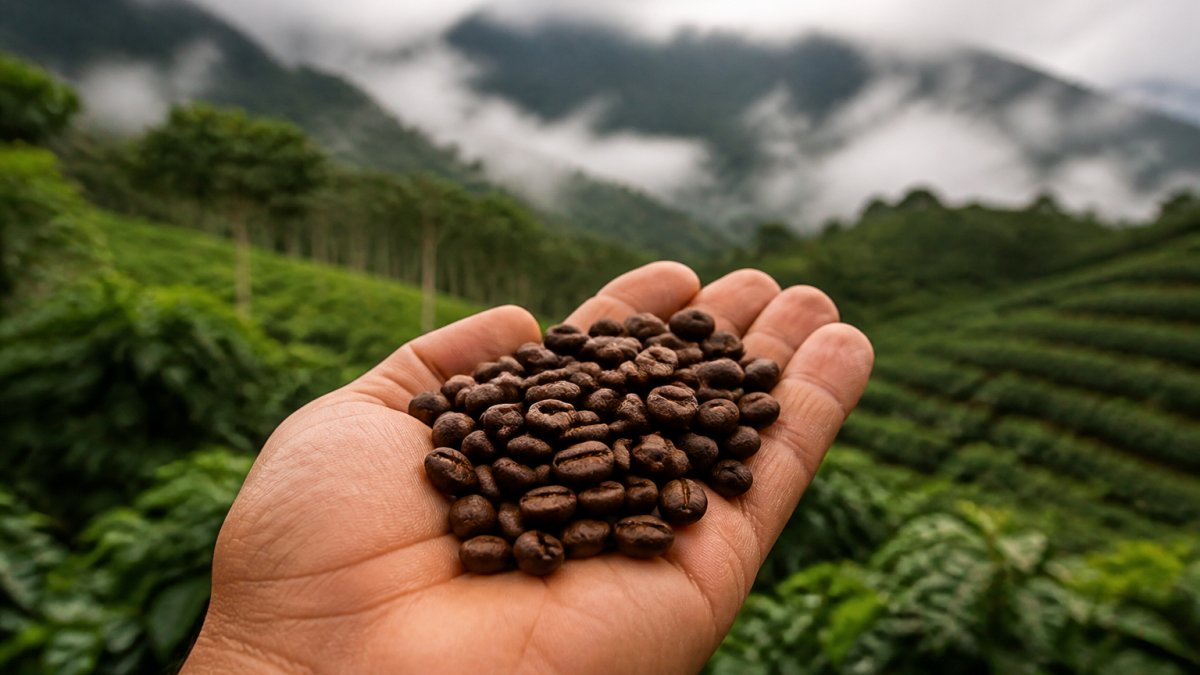
Origin shapes every aspect of how coffee tastes. Altitude, rainfall, soil composition, and processing method combine to create the cup's final profile, a relationship coffee professionals call terroir.
Altitude, Climate, and Soil Impact
Altitude is one of the most direct influences on coffee flavor. Higher-altitude farms produce beans with more acidity and complexity because the plants grow more slowly in cooler conditions. Beans grown above 4,000 feet tend to be brighter and more nuanced. Lower-altitude coffees develop faster and often carry heavier body with less acidity.
Climate affects sun, rainfall, and harvest timing. Regions with distinct wet and dry seasons produce different results than year-round growing areas, and a coffee from a dry year may taste more concentrated than the same coffee from a wetter year.
Soil composition influences mineral content and nutrient availability. Volcanic soil, common in East Africa and Central America, imparts mineral notes; rich loamy soil produces different results. These differences are subtle but real.
Processing Methods Shape Single-Origin Coffee Flavor Profiles
How beans are processed after harvest dramatically changes their final taste. Washed, natural, and honey processing each produce distinct results from the same origin.
Washed process coffees are cleaned immediately after harvest, removing the fruit before drying. This method highlights the bean's inherent characteristics and tends to produce cleaner, brighter cups with more acidity.
Natural process coffees dry with the fruit still attached. This extended contact with the cherry adds sweetness and body while reducing acidity. Natural-process single-origins often display fruity, jammy notes.
The same single-origin coffee processed three different ways produces three entirely different cups. This is why knowing the processing method matters as much as knowing the origin.
Traceability and Transparency in Single-Origin Sourcing
Transparency separates authentic single-origin coffee from marketing claims. When you buy single-origin beans, you should know the farm name, the processing method, the harvest date, and ideally, the altitude and varietal.
Many companies claim single-origin status without real traceability, listing a country or region but hiding the actual source.
Traceability requires direct relationships between roasters and producers. A roaster working with a specific farm can track the lot number, harvest date, and processing details.
When evaluating single-origin coffee, look for specificity. "Ethiopian Yirgacheffe" beats "Ethiopian," and a named farm or cooperative is better still.
Transparency also means honesty about freshness. A roaster should mark the roast date on every bag, since coffee begins losing its optimal flavor within two to three weeks of roasting.
How to Brew Single-Origin Coffee for Maximum Flavor
Single-origin coffee's distinctive characteristics only shine through with proper brewing. The method and recipe you choose should complement the coffee's origin profile, and small adjustments in ratio, temperature, and grind often matter more than the brewer itself.
Matching Brew Methods to Origin Characteristics
Light, floral single-origins (like Ethiopian Yirgacheffe) shine in pour-over methods such as Chemex or V60. Paper filters trap oils and fine particles, producing a clean cup that highlights acidity and aromatics.
Medium-bodied, balanced coffees (many Central American origins) work well in French press or AeroPress, where immersion extracts fuller body while preserving character. French press starting point: 30 grams of coarse coffee to 500 grams of water at 195-200°F, steep 4 minutes, then press slowly. Treat the method as part of the recipe, not an afterthought.
Heavy, complex coffees (natural-process African or Indonesian beans) can handle darker roasts and longer extractions. Espresso works well because pressure extraction handles dense beans, but start with a 1:2 ratio (18 grams in, about 36 grams out) in 25-30 seconds and adjust grind to taste.
A Simple Recipe Framework You Can Adjust
Most single-origins respond well to a starting ratio of 1:15 to 1:17 (coffee to water by weight). Use a scale, since volume scoops vary too much. Water temperature typically lands between 195 and 205°F; brighter coffees do better at the higher end, while very dark or naturally processed coffees can turn harsh above 200°F. Match grind to brewer: medium-fine for pour-over, coarse for French press, fine for espresso.
Taste is the final guide. Sour, thin, and fast-draining brews usually need a finer grind or slightly hotter water. Bitter, drying, or slow-draining brews usually need a coarser grind or cooler water. Change one variable at a time so you can tell what worked.
Why Processing Changes the Brew, Not Just the Bean
Washed coffees are forgiving and show clarity in pour-over. Natural coffees carry more fruit and body, so a slightly coarser grind and shorter contact time keep them from tasting syrupy or fermented. Honey-process coffees sit in between and work across pour-over and immersion. The process on the bag tells you which direction to adjust before you brew.
How to Store Coffee Beans and Maintain Freshness
Freshness is non-negotiable for single-origin coffee. Once roasted, coffee begins losing flavor immediately. Proper storage slows this decline but doesn't stop it.
Store beans in an airtight container away from light, heat, and moisture.
Room temperature is ideal, around 70 degrees Fahrenheit. Never refrigerate or freeze coffee: condensation forms when cold beans warm up, introducing moisture that damages flavor.
Use beans within two to three weeks of the roast date for optimal flavor; after four weeks, single-origin coffees begin tasting flat.
Buy smaller quantities more frequently rather than stockpiling. A half-pound bag used within two weeks tastes better than a full pound stretched over two months.
Whole beans stay fresher longer than ground coffee. If you grind beans in advance, use them within a few days.
The Real Drawbacks: When Single-Origin Isn't the Best Choice
Single-origin coffee isn't universally superior. It has legitimate drawbacks worth considering, and understanding them is the fastest way to decide whether it fits how you actually drink coffee.
Variability Between Harvests
Single-origin coffees vary batch to batch. Even from the same farm, year-to-year differences are normal because rainfall, temperature, and harvest timing shift the crop. A coffee you loved last month might taste different next month, and a favorite lot may not return next season. If you need absolute consistency, blends are more reliable because roasters can adjust the recipe as components change. Single-origin rewards curiosity but punishes anyone who wants the same cup every morning.
Price and What You Are Actually Paying For
Single-origin coffees typically cost more than blends. Part of that premium covers traceability: sourcing from a specific farm or lot, verifying origin claims, and often paying above commodity rates for transparency and quality. Smaller production volumes also mean less flexibility to absorb cost swings. If budget is tight, a quality blend often delivers better value than a budget single-origin, because a low-priced "single origin" may carry the label without the farm-level detail that justifies it. A useful check is whether the bag names a farm, cooperative, or lot and a harvest or roast date; if it only names a country, you may be paying a premium for a broad claim rather than verified sourcing.
Less Predictable Flavor and a Steeper Learning Curve
Some single-origins are genuinely difficult to brew well. Coffees with very high acidity or unusual profiles require more skill, and a beginner may find a balanced blend more forgiving. The variability that makes single-origin interesting also makes it harder to dial in: a recipe that worked for last month's lot may need adjustment for this month's.
Limited Availability and Freshness Pressure
Not every single-origin is available year-round; a coffee you love might disappear for months, while blends offer more consistent availability. Freshness also matters more: stale single-origin tastes obviously flat, while a blend's balance can mask some staleness. If you can't use beans within a few weeks of the roast date, a blend may be more practical.
When a Blend Is the Better Buy
Choose a blend when you want predictable flavor, lower cost per cup, year-round availability, and forgiveness in brewing. Choose single-origin when you want to taste a specific place, are willing to adjust recipes as lots change, and can use beans fresh. Neither choice is a failure; they solve different problems.
A Quick Buying Checklist
Before paying a single-origin premium, check the bag for: a farm, cooperative, or lot name rather than only a country; the processing method (washed, natural, or honey); the harvest year or roast date; and the altitude or varietal if available. If those details are missing, compare the price against a blend you trust and ask whether the extra cost buys you information you can actually use.
USDA Agricultural Marketing Service coffee standards and grading information
Frequently Asked Questions
What are the benefits of single-origin coffee beans?
Single-origin coffee offers traceability, you know exactly where your beans come from. You get distinctive flavor profiles shaped by that region's altitude, climate, and soil. Freshness is easier to verify since roast dates are typically labeled. You also support specific producers and farms directly, creating transparency in the supply chain that blends rarely offer. For home brewers, single-origin beans let you taste how origin and processing method influence your cup.
Is single-origin coffee better than blended coffee?
Not universally. Single-origin coffee excels at showcasing regional characteristics and flavor complexity, making it ideal for tasting and experimentation. Blends, however, offer consistency and balanced flavor profiles designed for specific brewing methods. Blends also allow roasters to compensate for seasonal variation, ensuring a steady product year-round. Your choice depends on whether you value distinctive terroir expression (single-origin) or reliable, balanced flavor (blend).
Do single-origin beans have more flavor than blends?
Single-origin beans express more distinctive, place-based flavors, you taste altitude, harvest timing, and processing method directly. Blends are formulated for balance and consistency rather than complexity. A well-crafted blend can taste excellent, but it smooths out the unique characteristics that make single-origin coffee interesting to specialty coffee enthusiasts. If you're brewing at home and want to explore how region shapes flavor, single-origin is the better choice for learning.
How do I know if single-origin coffee beans are fresh?
Check the roast date on the bag, reputable roasters print this clearly. Beans are freshest 2-4 weeks after roasting. Look for producers who list harvest dates and provide traceability information, which signals transparency and quality control. Specialty roasters emphasize freshness and roast dates. Avoid bags without roast dates, as they may have been sitting in warehouses for months.