 listicle
Best Specialty Coffee Subscription for Home: 6 Picks Compared
Quick Summary
The best specialty coffee subscription for home depends on how you brew and how much you drink, but Trade Coffee suits people who want to explore many small-batch roasters, while Bean Box suits those who want the largest selection and bag sizes. Compare cost per ounce, shipping, and cancellation terms, and check that every bag shows a printed roast date.
- Trade Coffee starts at $17 per bag, per Serious Eats, and offers 55+ roasters.
- Bean Box starts at $19.50 per delivery and offers 60+ roasters.
- Craft Coffee advertises a 28% discount on orders of four or more 12-ounce bags.
- Convert every plan to a price per ounce and add shipping before comparing costs.
- Look for a printed roast date on every bag, not just the first one.
Table of Contents
- How We Compared These Specialty Coffee Subscriptions
- Feature Comparison Table: Price, Roasters and Delivery at a Glance
- Trade Coffee: Best Overall for Exploring Small-Batch Roasters
- Bean Box: Largest Selection and Bag Sizes for Home Brewers
- How to Choose a Coffee Subscription That Fits Your Brewing Setup
- Freshness Standards for Specialty Coffee and What to Ask Each Service
- Coffee Subscription Frequency Guide: How Often to Get Delivered
- Start Your Home Coffee Subscription with laffogatocoffee.com
- Frequently Asked Questions
How We Compared These Specialty Coffee Subscriptions
Choosing a specialty coffee subscription for home can feel like guessing until you look at the details. We compared six services on the points that matter most to home brewers: selection, price per bag, freshness practices, and how much control you keep over what arrives.
We looked for services that name the roasters they work with, state what a bag costs, and explain how they handle roast dates. Where a price or delivery frequency was not published in the sources we reviewed, we say so instead of filling the gap. Reviewers such as Wirecutter's coffee subscription review tested their picks at home, which is the kind of hands-on check we value most.
Price is only part of the decision. A cheaper bag that sits in a warehouse for weeks can taste flat, so freshness and roast-to-order practices get equal weight. The sections below cover each service, followed by guidance on how to pick the one that fits your brewing setup.
Feature Comparison Table: Price, Roasters and Delivery at a Glance
The table below summarizes the published details for each service. Blank cells mean the detail was not published in the sources we reviewed. For wider context, see our premium subscription box reviews.
| Service | Starting Price (USD) | Roaster Network | Best For |
|---|---|---|---|
| Trade Coffee | $17 per bag (per Serious Eats) | 55+ roasters | Exploring small-batch roasters |
| Bean Box | $19.50 per delivery | 60+ roasters | Largest selection and bag sizes |
| Podium Coffee Club | Not published | American roasters | Award-winning American roasters |
| Craft Coffee | Not published | Own fresh-roasted coffee | Multi-bag orders with a discount |
| Blue Bottle Coffee | $22 (Hayes Valley Espresso) | Own roastery | Known roaster, steady quality |
| Atlas Coffee Club | Not published | International origins | International discovery |
The price range runs from about $17 to $22 per bag for the services with listed prices. Craft Coffee advertises a 28% discount on orders of four or more 12-ounce bags, which can change the math for households that drink a lot of coffee. A Serious Eats coffee subscription roundup also reports tasting results that can help you weigh these options.
How to Read the Table as a Total Cost, Not a Headline Price
A $17 bag and a $22 bag can cost the same per cup once you account for bag size, shipping, and how often the box arrives. The table above shows the sticker price; the math below shows what you actually pay over a month. Convert every plan to a price per ounce first, then add shipping and divide by the number of cups you brew.
- Price per ounce. Bag size can move the real cost per ounce more than the headline price does, so compare each service's cost per ounce before you choose.
- Shipping. Ask whether the quoted price includes shipping before you compare two services.
- Minimum commitments and introductory offers. A first-box discount is not the ongoing price. Confirm what the second and third deliveries cost, and whether you can cancel before a minimum number of shipments.
- Delivery frequency. Delivery frequency changes your monthly spend, so multiply the per-bag price by the number of deliveries per month to get a realistic figure.
Watch out: a low introductory price paired with a multi-month commitment can cost more over a year than a slightly higher per-bag price with no commitment. Read the cancellation terms before you enter payment details.
What the Table Does Not Tell You
Blank cells are a signal, not a gap to fill with guesses. When a service does not publish delivery frequency, bag sizes, or shipping cost, ask directly before subscribing. For the others, request a sample invoice or check the checkout page, which usually reveals shipping and frequency options the marketing page omits.
Trade Coffee: Best Overall for Exploring Small-Batch Roasters
Trade Coffee is a service to consider if you want to sample widely across small-batch roasters.
The main strength is variety.
The trade-off is that the published details do not specify subscription frequency or bag sizes, so check those before you sign up. We also recommend reading the service's current terms, since plan details can change.
Best for: home drinkers who want to explore many roasters without buying a bag from each one. Skip if: you already know one roaster you love and want the same coffee every week.
Bean Box: Largest Selection and Bag Sizes for Home Brewers
Check each service's current pricing before ordering, since bag size and quantity affect the cost per cup.
Best for: home brewers who want a large catalog and the option to buy in bulk. Skip if: you prefer a small, curated list over a wide menu to choose from.
How to Choose a Coffee Subscription That Fits Your Brewing Setup
A good subscription matches the way you brew. If you are still deciding whether the higher price is justified, our guide to whether specialty coffee is worth the cost explains the difference. If you use a French press or drip machine, a medium roast in a standard 12-ounce bag may suit you well. If you pull espresso at home, look for roasts labeled for espresso and check the grind options before you order.
Start by answering three questions. What equipment do you own? How much coffee do you go through each week? How much time do you want to spend choosing beans? Services with large catalogs, like Bean Box, suit people who enjoy experimenting. Curated services work better for people who want a reliable choice without much research.
Think about grind size too. Whole bean keeps longer and tastes fresher, but it requires a grinder. Pre-ground coffee is convenient but loses aroma faster. If you are new to specialty coffee, a whole-bean subscription paired with a basic burr grinder is a sensible starting point, and you can adjust after a few deliveries.
Freshness Standards for Specialty Coffee and What to Ask Each Service
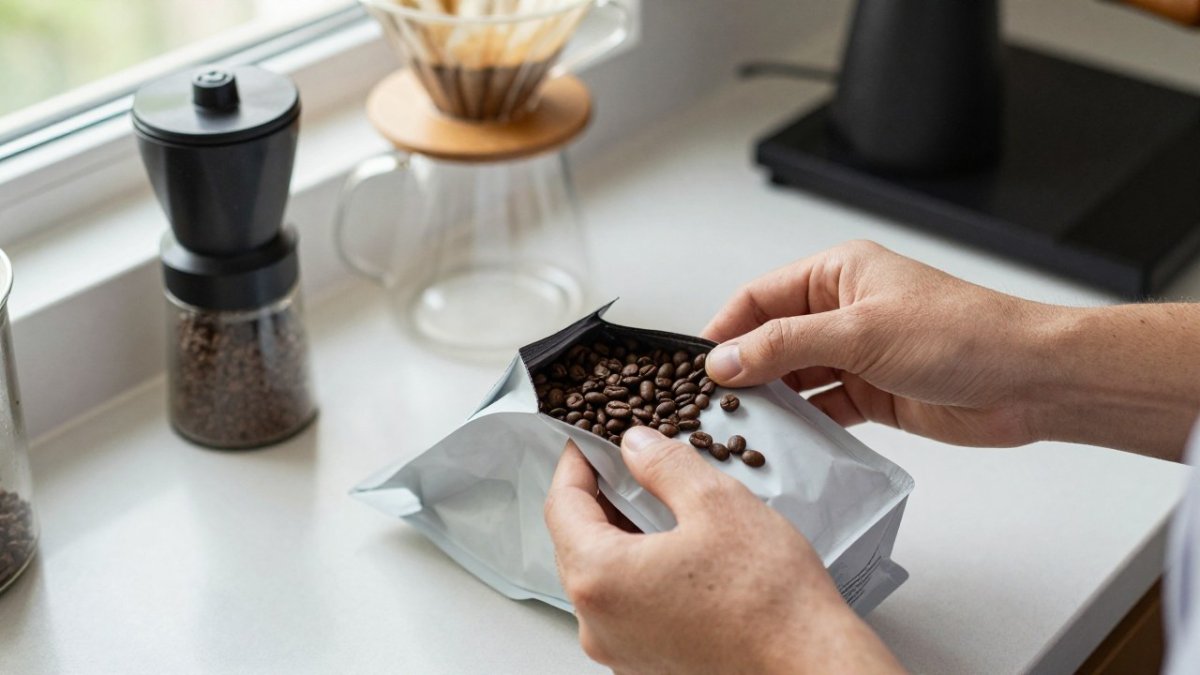
Freshness is the single biggest difference between a good subscription and an average one. Coffee is at its best within a few weeks of roasting, and the roast date on the bag is the clearest sign of how fresh it is. Ask each service whether it roasts to order or ships from stock, and whether the roast date is printed on every bag.
The Roast-Date Window: What "Fresh" Actually Means
Most specialty roasters treat coffee as peak between roughly 4 and 21 days after the roast date, with the exact window depending on the bean and brew method. You can learn to spot this yourself in our practical guide to identifying fresh roasted coffee. Espresso often needs a few days of rest after roasting to release carbon dioxide, while filter brews can taste flat if the beans are more than a few weeks old. A bag with no printed roast date, or only a "best by" date, gives you no way to judge where it sits in that window.
When you evaluate a service, look for a printed roast date on every bag, not just the first one. A service that prints roast dates is telling you it expects you to check. A service that prints only a lot code or a best-by date is asking you to trust its warehouse rotation instead.
Transit Time and Packaging: The Part the Roast Date Hides
A bag roasted yesterday can still arrive stale if it spends a week in transit. Ask how the coffee ships, how long transit typically takes to your address, and whether the bag has a one-way degassing valve. The valve lets carbon dioxide escape without letting oxygen in, which is the main packaging feature that protects flavor after roasting. A sealed bag without a valve can balloon or go flat, and a bag that arrives with no roast date and no valve is a warning sign.
How to Judge Consistency Across Multiple Deliveries
One fresh bag proves little. The real test is whether the second, third, and fourth deliveries arrive with the same roast-date discipline. Keep the bags and note the roast date and arrival date on each one for the first three shipments. If the gap between roast date and arrival date grows, or if a bag arrives without a printed date, the service's freshness standard is slipping.
Ask whether a service sets a roast-date standard for every roaster in its network or leaves that to each one.
Questions to Ask Before You Subscribe
- What is the roast date on the bag I will receive, and is it printed on every bag?
- Do you roast to order or ship from inventory?
- How many days from roast to my door, on average?
- Does the bag have a one-way degassing valve?
- Does every roaster in your network follow the same roast-date standard?
- Can I skip or pause a delivery if I am still working through the last bag?
The answers will tell you a lot about how seriously a service takes freshness, and they give you a benchmark to check against the next three deliveries.
Coffee Subscription Frequency Guide: How Often to Get Delivered
How often you receive coffee should match how fast you drink it. A common rule is to order enough to last about two to three weeks, so the beans stay within their peak window. If you brew two cups a day with a 12-ounce bag, one bag per month might be enough. Heavier drinkers may need two bags per delivery, which is the plan Bean Box identifies as its most popular.
Plan on adjusting frequency once you see how quickly you finish a bag, and confirm each service's skip and change policy before you commit.
Start Your Home Coffee Subscription with laffogatocoffee.com
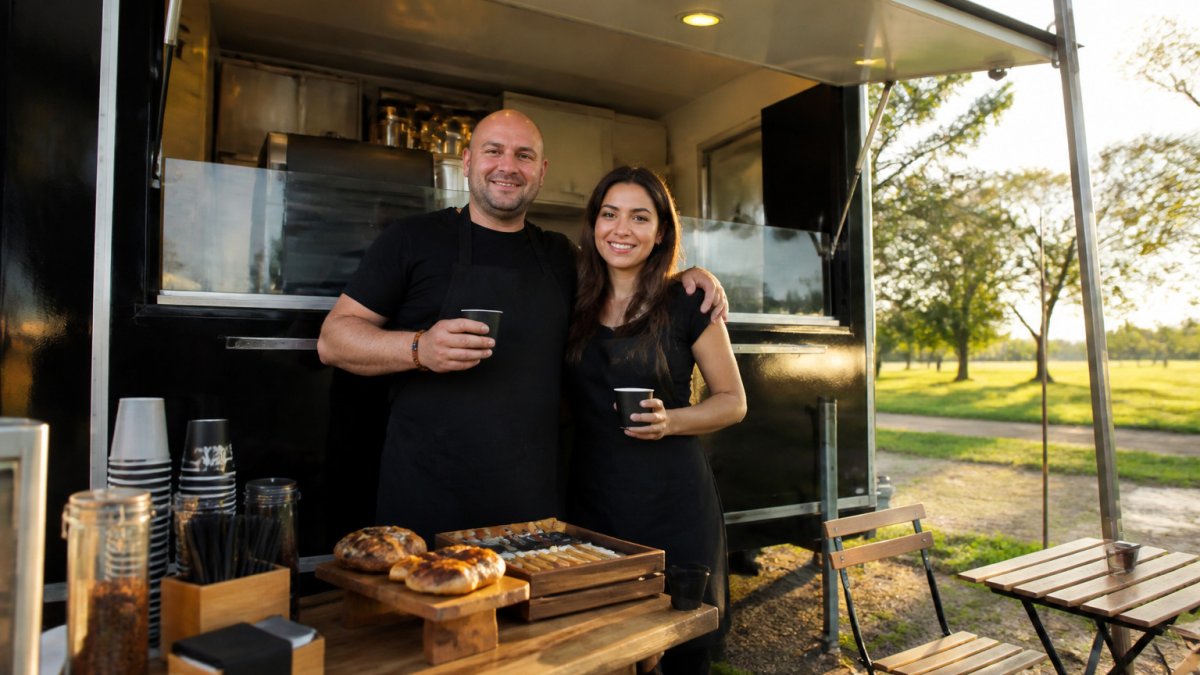
At laffogatocoffee.com, we are local roasters who specialize in Italian pastry and coffee, and we are preparing to launch a coffee truck. We plan to offer franchise options for the right partner. For current offerings, pricing, and availability, visit laffogatocoffee.com directly.
If you are weighing a specialty coffee subscription for home, compare the details in this guide against your own brewing habits, then reach out to us to ask about roast dates and how we handle freshness.
Frequently Asked Questions
What is the best specialty coffee subscription?
Trade Coffee is a service to consider if you want to sample widely across small-batch roasters. Bean Box is a good alternative if you want a wide catalog and several bag sizes. Your best choice depends on whether you value exploration or breadth most, and you should check each service's current pricing and terms.
Is a coffee subscription worth it?
A coffee subscription is worth it if you drink coffee regularly and want to try new roasters without ordering single bags repeatedly. Subscriptions remove the work of reordering and expose you to coffees you would not pick on your own. Compare total cost per bag, not just the headline price, and check whether shipping is included. If you only brew occasionally, a single bag from a local roaster may cost less overall.
How often should I receive my coffee subscription delivery?
Most home brewers do well with delivery every two to four weeks, depending on how many cups they drink. Specialty coffee tastes best within a few weeks of its roast date, so ordering more often than you can finish can hurt flavor. Look for services that let you change frequency or skip a delivery without penalty. Plan around your consumption, since the right delivery interval depends on how many cups you brew each week.
What is the best specialty coffee subscription for home brewing?
For home brewing, pick a subscription that matches your equipment and skill level. Beginners with a drip maker or French press do well with medium roasts that are forgiving across brew methods. Home espresso users should look for beans labeled for espresso or ask for recommendations. Choose a service that lists roast dates and tasting notes so you can adjust grind size and brew ratio as you learn.