 comparison
Is Specialty Coffee Worth the Higher Cost?
Table of Contents
- Specialty Coffee vs Regular Coffee: What's the Real Difference
- Why Is Specialty Coffee So Expensive
- Cost Per Cup of Specialty Coffee: Breaking Down the Numbers
- How to Choose Specialty Coffee That Fits Your Budget
- Flavor, Freshness, and Taste Preference: What You Actually Get
- Is Specialty Coffee Worth It for Your Situation
- Frequently Asked Questions
Last Updated: October 9, 2026
Specialty Coffee vs Regular Coffee: What's the Real Difference
Specialty coffee isn't a marketing term, it's a category defined by strict quality standards, traceability, and intentional sourcing, which raises the question of whether is specialty coffee worth the higher cost.
The difference starts at the farm. Specialty coffee comes from specific origins with documented growing conditions and harvest practices, often traceable to a particular farm or cooperative.
This distinction affects everything downstream: processing, freshness, roasting, and what you taste in your cup.
Why Is Specialty Coffee So Expensive
Specialty coffee costs more because every step in the supply chain reflects care, skill, and traceability that commodity coffee skips.
Farmer Compensation and Direct Sourcing
Specialty roasters often buy directly from farmers or cooperatives rather than through middlemen, so farmers receive a higher price per pound, sometimes two to three times what commodity coffee pays. That premium reflects the effort required to grow specialty-grade beans: selective picking, careful processing, and proper drying.
Direct sourcing also means documentation. Specialty roasters track which farm, harvest, and processing method. That traceability costs time and money. Commodity coffee is blended and anonymized before it reaches the roaster.
Processing Methods and Bean Selection
Processing dramatically affects flavor and cost. Specialty coffee uses two main methods: washed (fruit removed before drying) and natural (fruit dries on the bean). Both require skill, natural process beans, for example, must be turned regularly during drying to prevent spoilage.
Bean selection adds another layer of cost. Specialty roasters sort beans by size, density, and color, removing defects commodity roasters leave in, by hand or with expensive equipment. The result: more uniform beans that roast evenly and taste cleaner.
Roasting Skill and Freshness Standards
Specialty roasting is a craft. A skilled roaster profiles each batch based on bean origin, density, and desired flavor. The roast profile, the temperature curve over time, determines whether you get bright acidity, chocolate notes, or fruity complexity.
Freshness matters too. Specialty roasters typically roast to order or in small batches, then ship within days. Specialty roasters often stamp a roast date on every bag so you know exactly how fresh it is.
Cost Per Cup of Specialty Coffee: Breaking Down the Numbers
The price on the bag tells you almost nothing. What matters is cost per cup, which depends on four variables: bag size, dose per brew, waste, and brewing method. Here's how to run the math yourself.
The Basic Formula
Cost per cup = (bag price ÷ bag weight in grams) × dose in grams per cup.
Dose is where most people guess wrong. A typical drip or pour-over dose is 15-18 g per 8-10 oz cup. A double espresso uses 18-20 g. A French press for two might use 30 g.
Run the numbers on a hypothetical bag at 16 g per cup to understand the calculation:
- Cost per gram: (bag price ÷ bag weight in grams)
- Cost per cup: (cost per gram × dose in grams per cup)
- Cups per bag: (bag weight in grams ÷ dose in grams per cup)
This calculation helps illustrate the realistic home-brew range for specialty coffee.
How Bag Size Changes the Math
Buying larger bags is the single biggest lever on cost per cup, if you can finish them before they go stale. Moving from a 12 oz to a 2 lb bag can cut per-gram cost by 20-35% at many roasters. But roasted coffee peaks roughly 4-14 days off roast and fades over the following weeks, so if a 2 lb bag takes three months to finish, you're paying a lower price for a worse cup.
Where Waste Enters the Equation
Waste is the hidden cost nobody calculates. Dialing in an espresso shot can burn 2-4 doses before you pull a good one, and a stalled pour-over gets dumped. Waste 15% of a bag and your effective cost per cup rises by roughly the same percentage. Whole bean plus a grinder reduces waste because you only grind what you brew.
Specialty vs. Commodity vs. Café
A 12 oz can of commodity pre-ground coffee can yield a similar cup count, putting it at a lower per-cup cost. So specialty coffee typically costs more per home-brewed cup.
Compare that to a café, where a 12-16 oz drip or milk drink commonly runs $3-$6. Even a $1.30 home-brewed specialty cup is a fraction of that. Specialty coffee is expensive relative to grocery-store coffee, but cheap relative to buying coffee out.
Brewing Method Shifts the Cost
Espresso uses more coffee per serving than drip, so cost per shot runs higher, often $0.90-$1.40 for a double. Pour-over and drip sit in the middle.
current green coffee commodity price reference
Run your own numbers before you decide. Most people find the per-cup premium is smaller than the sticker price suggests, and the decision comes down to whether the flavor difference is worth the investment.
How to Choose Specialty Coffee That Fits Your Budget
Specialty coffee doesn't have to break the bank. Smart choices let you access quality without overspending.
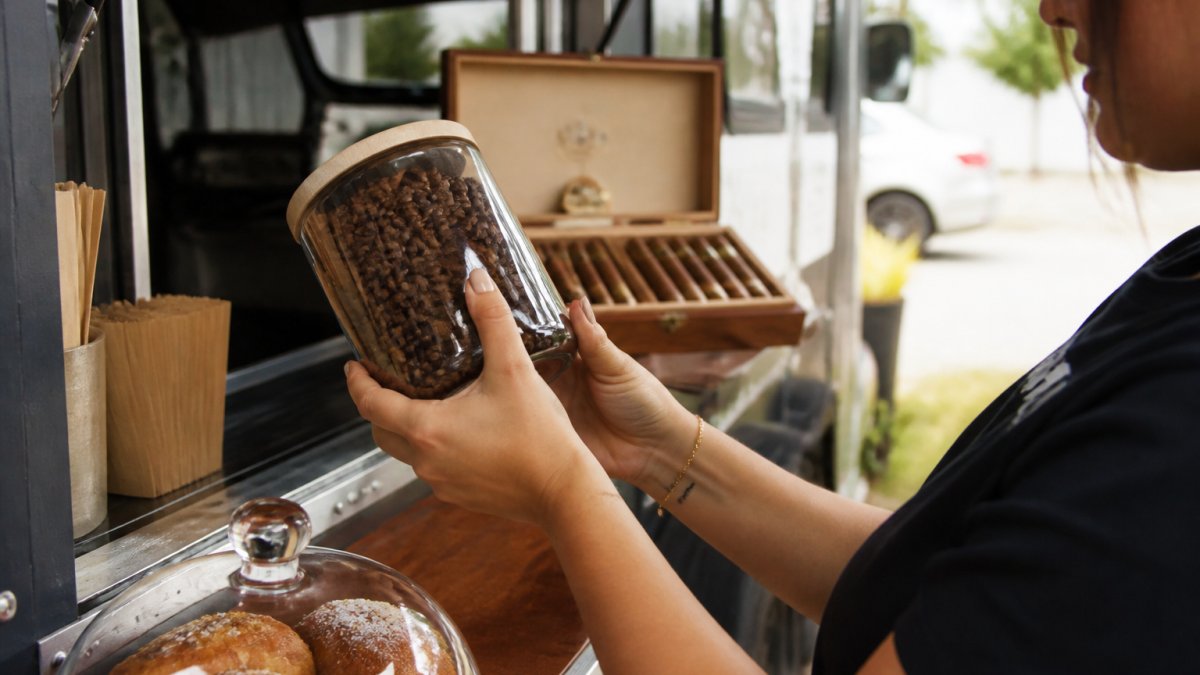
Single-Origin vs Blended Beans
Single-origin beans come from one farm or region and highlight the unique characteristics of that place. They're often pricier because the roaster is showcasing flavor notes tied to altitude, soil, and climate.
For budget-conscious buyers, blends are a smart entry point. You get specialty-grade quality without paying the single-origin premium. As your palate develops, you can explore single-origins.
Brewing Method and Extraction
Your brewing method affects both cost and flavor. A pour-over or French press requires only equipment you probably already own; an espresso machine is a significant upfront investment. If you're new to specialty coffee, start with simpler methods, they're cheaper and highlight specialty bean quality better than you'd expect.
Extraction matters: under-extracted coffee tastes sour, over-extracted tastes bitter. Specialty beans are more forgiving than commodity coffee because they start with cleaner, more balanced flavor, so even basic technique yields good results.
Flavor, Freshness, and Taste Preference: What You Actually Get
This is where the value question becomes personal, and where you can stop taking anyone's word for it. Instead of arguing about whether specialty coffee tastes better, run a blind comparison and let your own palate decide.
What Specialty Coffee Actually Tastes Like
Specialty beans are graded 80+ on the Specialty Coffee Association's 100-point scale, reflecting measurable cup quality: sweetness, clarity, balance, and the absence of defects. In practice, that shows up as distinct flavor notes rather than one generic coffee taste.
That difference is real, but it is also smaller than marketing suggests for some drinkers and larger for others. The only way to know which group you are in is to test it.
A Repeatable Blind-Tasting Method
You do not need a lab. You need two coffees, two identical cups, and someone to label them for you.
- Pick two coffees. One specialty whole bean roasted within the last two weeks, and one commodity coffee you already drink. Use the same roast level if possible (both medium, for example) so you compare origin and quality, not roast.
- Grind and brew identically. Same grind size, water temperature (about 200°F), dose, brew method, and water. If you use a drip machine, brew both in it; if a pour-over, use the same one.
- Label them A and B. Have someone else pour and label so you do not know which is which. This is the part most people skip, and it is the part that makes the test honest.
- Taste side by side, then cooled. Slurp a small amount of each and note sweetness, acidity, bitterness, and aftertaste. Let both cool five minutes and taste again, defects and quality differences often show up more clearly as coffee cools.
- Write down a preference before you reveal the labels. Then reveal.
If you consistently pick the specialty cup, the premium is buying you something you can perceive. If you cannot tell them apart, that is useful information too, it means your money is better spent elsewhere, or on a different origin or roast.
Freshness Is the Variable Most People Underestimate
Roasted coffee begins losing aromatic compounds within days of roasting. Most roasters consider the peak window roughly 4-14 days off roast for filter coffee, with flavor declining steadily after.
This is why roast date matters more than almost any other label on the bag. A "best by" date tells you when the roaster thinks the coffee is unacceptable, not when it was roasted. Look for an actual roast date.
Storage and Shelf Life Trade-Offs
Freshness only helps if you can preserve it. Store whole beans in an airtight, opaque container at room temperature, away from light and heat. Don't refrigerate, moisture and odors migrate into the beans.
A practical rule: buy the amount you'll finish in two to four weeks. A bag finished in three weeks is often a better value than a bag finished in three months, because the second spends most of its life going stale.
When Preference Makes the Premium Irrelevant
If you drink coffee primarily for caffeine, or always add milk and sugar, the subtle flavor differences between a $16 specialty blend and a $9 commodity can are likely muted or invisible, the premium buys you little.
Neither preference is wrong. The point is to match your spending to what you actually taste, not to what a label claims.
Is Specialty Coffee Worth It for Your Situation
The answer depends on three factors: your budget, your taste preferences, and how much coffee you drink.
If you buy one coffee a week at a café, switching to home-brewed specialty coffee saves money immediately.
If budget is tight, blended specialty coffees offer better value than single-origins.
The real question of whether is specialty coffee worth the higher cost in absolute terms depends on your priorities.
Specialty coffee's higher price reflects real differences in sourcing, processing, roasting, and freshness.
Frequently Asked Questions
Is specialty coffee actually worth the higher cost?
It depends on your priorities and budget. Specialty coffee delivers cleaner flavor notes, better freshness because it's roasted closer to purchase, and supports higher farmer compensation through direct sourcing. For people who drink multiple cups daily or care about flavor complexity, the per-cup cost when brewed at home often justifies the premium. If you're price-sensitive or drink coffee mainly for caffeine, commodity coffee may be the better choice. The real value emerges when you compare annual spending, which many find reasonable for consistent quality.
What makes specialty coffee more expensive than regular coffee?
Specialty coffee costs more due to several factors: farmers receive higher prices for beans that meet strict quality standards, processing methods like selective hand-picking and washed fermentation require labor-intensive work, roasters invest in skill and equipment to develop flavor profiles, and freshness standards mean beans are roasted to order rather than stockpiled. Commodity coffee prioritizes volume and shelf stability, cutting costs at each step. Specialty sourcing also includes traceability to specific farms or cooperatives, which adds supply chain transparency but increases overhead.
How much should you pay for specialty coffee beans?
Specialty coffee pricing depends on origin, processing method, and roast date. A 250-gram bag typically yields 16-20 cups, so divide the bag price by that range to find your per-cup cost. When brewing at home, expect your per-cup cost to be higher than instant or pre-ground commodity coffee, but far less than café prices. Single-origin beans often cost more than blends because traceability and limited harvests increase value. Check the roast date on every bag; fresher beans (roasted within 2-4 weeks) cost more but deliver superior flavor and aroma.
Can you make specialty coffee at home without expensive equipment?
Yes. You don't need a professional espresso machine or complex gear. A simple pour-over cone, French press, or AeroPress produces excellent specialty coffee at home and costs $20-$50. The key is using whole beans ground just before brewing, using filtered water at the right temperature, and following basic extraction guidelines. Many home baristas start with a basic burr grinder (essential for consistent grind size) and a simple brewing method. Specialty coffee's value comes from bean quality and freshness, not equipment. As you develop your taste preference, you can upgrade to methods like affogato-style brewing if you enjoy the ritual, but entry-level brewing works perfectly fine.