 how-to
How to Identify Fresh Roasted Coffee: A 2026 Guide
Table of Contents
- Why Roast Date Matters More Than Expiration
- Understanding the Coffee Degassing Process
- Visual Inspection: What Fresh Beans Actually Look Like
- The Bloom Test: Using CO2 Release to Verify Freshness
- Aroma and Sensory Evaluation for Beginners
- Recognizing Signs of Stale Coffee Beans
- How to Store Coffee Beans for Freshness
- Home Testing vs. Professional Cupping: What You Can Do
- Frequently Asked Questions
Last Updated: September 23, 2026
Why Roast Date Matters More Than Expiration
The roast date is everything. It tells you exactly when the coffee was transformed from green beans into the brown, aromatic product you brew. An expiration date printed on a bag? That's often a guess. A roast date is a fact.
Here's what most coffee drinkers get wrong: they can't identify fresh roasted coffee and assume "best by" dates mean freshness. They don't. A bag stamped "best by 2027" could have been roasted two years ago. The roast date is what actually tells you whether the beans are in their prime or past it.
Fresh roasted coffee peaks within a specific window. The first few days after roasting, the beans release carbon dioxide as part of the degassing process. This is when extraction becomes easier and flavor develops fully. After about three to four weeks, oxidation begins degrading the oils and cellular structure that make coffee taste vibrant.
At laffogatocoffee.com, we're transparent about roast dates because they matter. When you order from a local roaster, you get beans roasted days, not months, before they reach your door. That's the difference between coffee that tastes lively and coffee that tastes dull.
Always check the roast date first. If a seller won't display it prominently, that's a red flag.
Understanding the Coffee Degassing Process
Degassing is the release of carbon dioxide trapped inside roasted beans. Think of it like a soda bottle being opened. When heat transforms green coffee, it creates gas pockets inside the bean's cellular structure. Those pockets slowly release over time.
How Carbon Dioxide Release Affects Peak Freshness
The bloom test works because of degassing. When hot water hits fresh beans, the CO2 escapes rapidly, creating a visible bubble layer. This bloom means the beans still contain trapped gas, a sign they're young enough to extract properly.
After about two weeks, most of the CO2 has escaped. The beans are still good, but extraction becomes more difficult. The water moves through the grounds differently. Flavors come out flatter because the gas pockets that helped distribute heat evenly are gone.
The porosity of the bean changes as it degasses. Fresh beans have more surface area for water to interact with. Older beans become denser, which is why they often taste thin or weak even if you use the same brewing method.
The Optimal Window for Brewing After Roasting
The sweet spot for most coffee is between five and thirty days after roasting. During the first three to five days, the beans are still releasing significant CO2. They're harder to extract evenly because water can't penetrate consistently.
By day five, degassing has slowed enough that water moves through the grounds at a predictable rate. Flavor compounds have stabilized. This is when the beans taste best.
After thirty days, oxidation accelerates. The oils on the bean surface begin breaking down. The bright, complex flavors fade into something more one-dimensional. You can still drink it, but you're past peak freshness.
Cold storage slows this process, but it doesn't stop it. Even frozen beans eventually lose their character.
Visual Inspection: What Fresh Beans Actually Look Like
Fresh roasted coffee has a distinct appearance. The color is consistent across the batch. The surface shows a subtle sheen from oils migrating outward. Under good light, you'll see depth in the brown tones, not a flat, dull surface.
Color Consistency and Oil Migration Signs
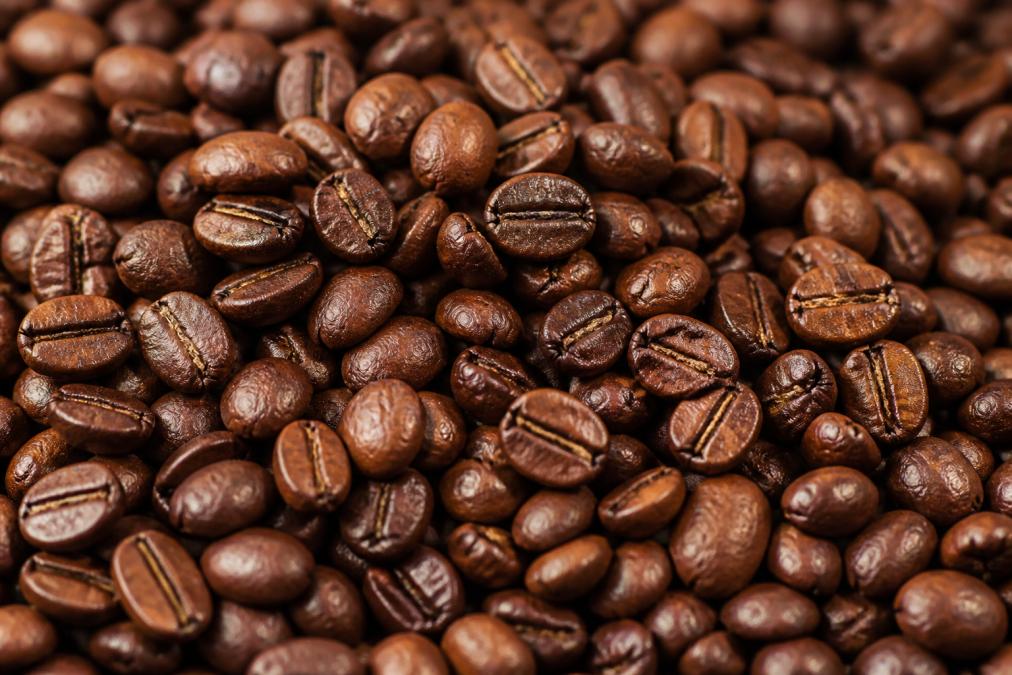
Stale beans look flat. The color becomes uneven, some beans appear darker, others lighter, even within the same batch. This inconsistency signals oxidation damage.
Oil migration is a visible sign of age. Very fresh beans (three to seven days old) show minimal surface oil. By two weeks, oils have migrated to the surface, creating a slight sheen. By four weeks, the surface can look slick or even sticky. Past six weeks, oils oxidize and the surface can look dull again despite the oiliness.
The most reliable visual test is consistency. Fresh beans from the same roast batch look uniform. Color, size, and surface texture all match. If your bag contains beans that look visibly different from each other, they're likely old or from multiple batches.
Whole Bean vs. Pre-Ground Freshness Comparison
Whole beans stay fresh longer than ground coffee. Grinding increases surface area exposed to oxygen. Pre-ground coffee begins losing flavor within days. Whole beans can maintain peak freshness for weeks if stored correctly.
This is why specialty coffee shops grind to order. They know that whole bean coffee retains its character far longer. If you're buying pre-ground, check that roast date carefully. It should be no more than a week old, ideally just a few days.
The difference is dramatic. A whole bean from three weeks ago can still taste bright. Pre-ground from three weeks ago tastes like cardboard.
The Bloom Test: Using CO2 Release to Verify Freshness
The bloom test is the simplest home test for freshness. Pour hot water over your grounds and watch. Fresh coffee blooms, a thick layer of bubbles forms on top as trapped CO2 escapes. Stale coffee produces little to no bloom.
Here's how to do it:
- Use a small amount of hot water (about twice the weight of your grounds)
- Pour slowly and watch for thirty seconds
- Fresh beans bloom noticeably within the first five seconds
- Stale beans produce minimal bubbles or none at all
The bloom tells you whether the beans still contain enough trapped gas to extract properly. It's not a perfect test, some beans bloom more than others depending on roast level and origin, but it's reliable for comparing your current beans against a baseline.
If your coffee never blooms, it's old. Very old. The degassing process has completed, which means oxidation has been happening for weeks.
Aroma and Sensory Evaluation for Beginners
Your nose is a powerful freshness detector. Fresh coffee smells bright, complex, and inviting. The aroma should make you want to brew immediately. Stale coffee smells flat, musty, or slightly rancid.
What Lively, Musty, and Faded Aromas Tell You
A lively aroma means the beans are young. You'll smell distinct notes, chocolate, fruit, nuts, spice, depending on the origin and roast. These aromas come from volatile compounds that break down over time.
Musty aroma signals age and potential moisture exposure. It's not dangerous, but it means the beans have lost their character. They've been stored poorly or kept too long.
Faded aroma is what you get from beans that are past their peak but not yet musty. The smell is present but dull. It lacks complexity. This usually means the beans are four to eight weeks old.
Rancid aroma, sharp, unpleasant, almost chemical, means the oils have oxidized significantly.
Recognizing Signs of Stale Coffee Beans
Stale coffee shows multiple warning signs. Some are visual. Some are sensory. Combined, they tell you the beans are past their prime.
Oxidation, Rancidity, and Moisture Content Indicators
Oxidation happens when oxygen breaks down the oils and compounds that make coffee taste good. You can't see oxidation directly, but you can see its effects. The surface of old beans can look dull or chalky. The color becomes less vibrant.
How to Store Coffee Beans for Freshness
Storage is where most home coffee drinkers fail. They buy good beans and then store them wrong, accelerating staling.
One-Way Valves, Nitrogen Flushing, and Packaging Technology
A one-way valve on your coffee bag serves a purpose: it lets CO2 escape without letting oxygen in. During the first week after roasting, this valve is essential. It prevents pressure buildup while protecting the beans from oxidation.
Shelf Life Expectations by Storage Method
Storage method determines how long beans stay fresh:
- Room temperature in original bag: Peak freshness for three to four weeks. After that, quality drops noticeably.
- Airtight container at room temperature: Four to six weeks of acceptable freshness.
- Refrigerator: Six to eight weeks. Cold slows oxidation but moisture can be an issue.
- Freezer: Three to four months. Freezing essentially pauses the aging process.
The key is minimizing oxygen exposure and temperature fluctuations. Heat accelerates oxidation. Humidity introduces moisture. Light degrades the oils.
Home Testing vs. Professional Cupping: What You Can Do
Professional cuppers use a specific method called cupping to evaluate coffee. They're trained to identify subtle flavor notes and defects. But you don't need training to do basic freshness tests at home.
Frequently Asked Questions
What counts as freshly roasted coffee?
Freshly roasted coffee is typically considered fresh within 2-4 weeks of the roast date. The optimal window for brewing is 5-30 days after roasting, after the beans have completed their degassing process but before oxidation significantly degrades flavor. Look for a printed roast date on the bag, this is your most reliable indicator. Beans roasted more than 2 months ago have typically lost their peak freshness, even if properly stored.
How long after roasting should you wait to brew coffee?
Wait at least 5-7 days after roasting before brewing. During this period, the beans release carbon dioxide through the degassing process, which can create bitterness if brewed too early. The sweet spot is typically 7-14 days post-roast for most brewing methods. After 30 days, flavor begins to fade due to oxidation, so consume your beans within this window for the best extraction and flavor profile.
Does the smell of coffee beans indicate freshness?
Yes, aroma is a reliable freshness indicator. Fresh beans smell lively and aromatic with distinct notes from their flavor profile. Stale beans smell musty, dull, or flat, like they've lost their vibrancy. With sensory training, you can detect these differences quickly. However, aroma alone isn't enough; combine it with visual inspection and the bloom test for a complete assessment of whether your beans are truly fresh.
How does CO2 degassing affect coffee freshness?
Degassing is the release of carbon dioxide from the beans after roasting. Fresh beans degas rapidly for the first 2-3 weeks, which affects extraction and flavor. Excessive CO2 causes over-extraction and bitterness if brewed too soon; insufficient CO2 (in stale beans) results in under-extraction and flat flavor. One-way valves on packaging allow CO2 to escape while preventing oxygen entry, preserving freshness longer and protecting against oxidation and rancidity.