 blog
9 Blue Bottle vs Atlas Coffee Club Differences to Know
Last Updated: November 2, 2026
Quick Summary
Blue Bottle vs Atlas Coffee Club comes down to exploration versus consistency. Atlas rotates single-origin coffees from many countries, while Blue Bottle offers a steady house-style cup from one roaster's lineup. Atlas lists at $20 per 12-ounce bag and Blue Bottle at $22 for most assortments, so check current prices before subscribing.
- Atlas Coffee Club focuses on discovery, rotating through coffees from around the world.
- Blue Bottle keeps a narrower selection built around its own consistent blends.
- Atlas lists at $20 per 12-ounce bag; Blue Bottle lists at $22 for most assortments.
- Atlas advertises an introductory offer starting at $7 with the first bag 50% off.
- Check each bag's roast date and shipping timing before you commit to a subscription.
Table of Contents
- Blue Bottle vs Atlas Coffee Club: The Core Difference
- Blue Bottle vs Atlas Coffee Club Price: What You Actually Pay
- Coffee Variety and Origin Selection
- Coffee Bean Freshness: Roast Dates and Shipping
- Brewing at a Coffee Brew Ratio 1:15
- Pros and Cons of Each Subscription
- Choosing the Subscription Your Coffee Routine Needs
- Frequently Asked Questions
Blue Bottle and Atlas Coffee Club are two coffee subscriptions in the United States, and they take very different approaches. Blue Bottle leans toward a consistent house style with its own roasts, while Atlas focuses on discovery, rotating through single-origin coffees from different growing regions. Choosing between them comes down to what you want from a monthly delivery. This guide from laffogatocoffee.com breaks down nine key differences so you can decide which one fits your routine.
Blue Bottle vs Atlas Coffee Club: The Core Difference
Blue Bottle and Atlas aim at different buyers. Atlas is built around exploration, with a tour of coffees from around the world, and Bon Appétit's roundup of coffee subscriptions names it a top single-origin pick. Blue Bottle is more about a dependable, consistent cup from one roaster's lineup.
Blue Bottle vs Atlas Coffee Club Price: What You Actually Pay
Published comparisons list Atlas at $20 per 12-ounce bag and Blue Bottle at $22 for most assortments, with some options reaching $27 (Roastworthy's 2026 Atlas vs Blue Bottle comparison). Atlas also advertises an introductory offer starting at $7 with the first bag 50% off, though the official site does not spell out the terms that follow. Check current prices directly before you subscribe, since subscription pricing changes often.
Here is how the listed prices compare, as reported in the published comparisons.
| Subscription | Listed price | Note |
|---|---|---|
| Atlas Coffee Club | $20 per 12-ounce bag | Intro offer starts at $7, first bag 50% off |
| Blue Bottle | $22 for most assortments | Some options reach $27 |
Coffee Variety and Origin Selection
Atlas is known for variety, while Blue Bottle keeps a narrower selection built around its own blends. If you enjoy trying coffees from many countries, Atlas gives you more to explore. If you want familiar flavors every month, Blue Bottle's consistency may suit you better. For a closer look at grades, read our guide on How to Identify Specialty Grade Coffee Beans.
Coffee Bean Freshness: Roast Dates and Shipping
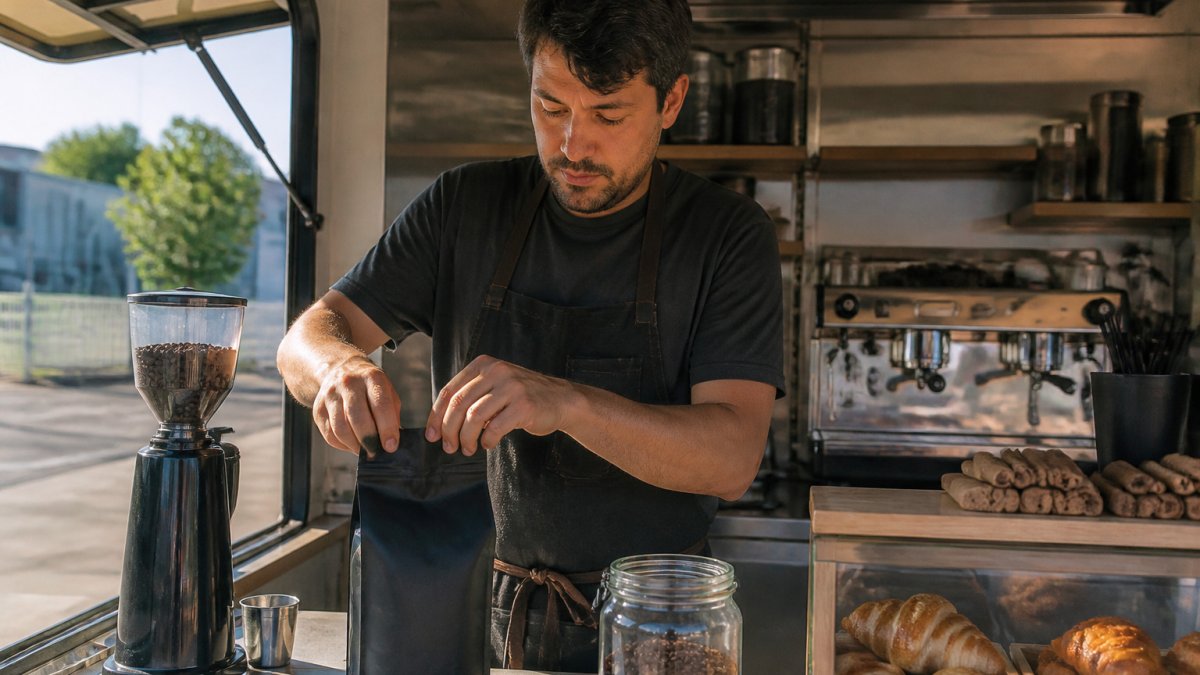
Freshness matters more than most buyers expect, because coffee loses aromatics quickly after roasting. Look for a roast date on every bag and check how soon after roasting the coffee ships. Learn why the date matters in Why Roast Date Matters for Coffee. Photo idea: a close-up of hands opening a bag of freshly roasted whole beans on a kitchen counter next to a grinder.
Brewing at a Coffee Brew Ratio 1:15
A common starting point is a 1:15 brew ratio, meaning about 15 grams of water for every gram of coffee. This ratio works with either subscription's beans and gives you a clear baseline to adjust. Weigh your coffee and water for the most consistent results. To go further, see How to Brew Fresh Roasted Coffee at Home and What Is the 15-15-15 Coffee Rule? A Freshness Guide.
Pros and Cons of Each Subscription
Blue Bottle
- Pros: Consistent house-style coffee, straightforward ordering, a familiar choice for long-time buyers
- Cons: Limited roast range with no dark or medium options, a higher price point at $22 for most assortments
Atlas Coffee Club
- Pros: Broad world-origin variety, lower listed price at $20 per bag, a strong discovery experience
- Cons: Rotating coffees may not all feel distinct, and some customers have reported delivery inconsistencies
For more comparisons across premium subscription boxes, see Premium Coffee Subscription Box Reviews.
Choosing the Subscription Your Coffee Routine Needs
Pick Atlas if you want to explore coffees from different origins each month and you're comfortable with some variation in delivery timing. Pick Blue Bottle if you want a steady, predictable cup and a narrower but reliable range. Compare the roast date, shipping timing, and per-bag price before you commit. Whichever you choose, our team at laffogatocoffee.com recommends starting with one bag to see how the coffee fits your taste.
Frequently Asked Questions
What is the difference between Blue Bottle and Atlas Coffee Club?
Atlas Coffee Club is built around discovery, with rotating single-origin coffees from different growing countries. Blue Bottle focuses on a more fixed lineup of roasts. The choice usually comes down to whether you want rotating origins or consistency.
Which is better for a coffee subscription, Blue Bottle or Atlas Coffee Club?
It depends on what you value. If you want to explore coffees from different countries and enjoy a new profile each month, Atlas fits that goal. If you prefer a steady roast you already like and want fewer surprises, Blue Bottle may suit you better. Compare the listed prices and shipment size against how much coffee you brew each week before subscribing.
What does the coffee brew ratio 1:15 mean?
A 1:15 brew ratio means 1 gram of coffee for every 15 grams of water. For example, 20 grams of ground coffee pairs with 300 grams of water. This ratio is a common starting point for pour-over and drip brewing, and it gives a balanced cup at home without a scale-heavy setup. Adjust the grind size or brew time if the cup tastes too weak or too bitter. Weigh both coffee and water for the most consistent results, and keep the ratio fixed while you test other variables.
How can you tell whether coffee beans are fresh?
Look for a roast date printed on the bag rather than only a best-by date, since roast dates tell you how old the beans are. Fresh beans usually perform best within a few weeks of roasting. Check whether the seller states the roast date on every bag, and ask about shipping timing if it is not listed. Storing beans in an airtight container away from heat and light helps preserve freshness after delivery. If a subscription does not show roast dates, that is a useful signal to ask before you commit.